 |
 |
 |
 |
    |
 |
 |
 |
 |







Yellow Poplar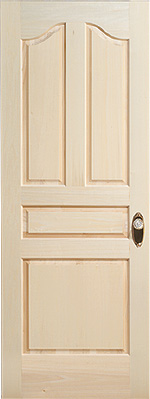
General Information:
Yellow poplar is hard to beat when it comes to versatility. It machines very well, stains very well and paints very well. It is often called the poor man's cherry because of it's similar grain and ability to accept stain so readily it can be stained to resemble cherry as well as other species. It is often used as a paint grade species because it paints beautifully, is less expensive than other hardwoods and is a harder wood than pine which is often used as a paint grade species. This species has been used for years east of the Mississippi and is becoming more popular in the Midwest with the increasing demand for lighter colored woods and finishes used in homes today.
Species:
The scientific name for yellow poplar, also referred to as poplar or tulip wood is Liriodendron tulipifera. It ranges throughout most of the Eastern U.S., from Massachusetts west to Illinois, Arkansas and Louisiana, south to the Gulf Coast and central Florida. Reaching heights of 160 feet with diameters up to 8 feet it is probably the tallest of the hardwood trees in the eastern United States. The tree grows in relative abundance and makes up about 10% of the commercially available U.S. hardwoods.
Uses:
Poplar is used in many applications in furniture, kitchen cabinets, millwork, doors, paneling, musical instruments, interior joinery, turnings and decorative carvings along with many other uses.
Color Characteristics:
The sapwood of the yellow poplar is white. The heartwood is yellowish brown with occasional streaks of purple, green, black, blue or red. The green color in the heartwood will darken with exposure to light and turn brown.
Physical Properties:
Yellow poplar machines extremely well. It has good nail holding and screw holding power and good gluing properties. It is a medium density wood offering excellent strength and stability.
Finishing:
It accepts both stain and paint readily and finishes beautifully. In general, a nicely sanded surface using multiple grits with a final sanding using 150 grit sandpaper will help to achieve a uniform finish across the whole surface. Poplar is photosensitive and with age and exposure to light, will darken into a deeper, richer looking color. During the construction process, care should be taken to protect the doors from uneven lighting that may lead to uneven color changes across the face of the door. For example, do not leave a door half covered, exposing one half of the door to light. The part exposed to the light may turn darker faster than the half that is not exposed to light.
 |
 |
 |
| Door Designs | Panel Types | Wood species | Sizing Options | Photo Gallery | General Info | About Stallion | Contact | Home | ||
| Stallion Doors & Millwork ©2003 This website best viewed using Internet Explorer 6.0 |
||




